
Program Botox for acne and oily skin: does it really work?
Written by Dr. Bank · 5 min read
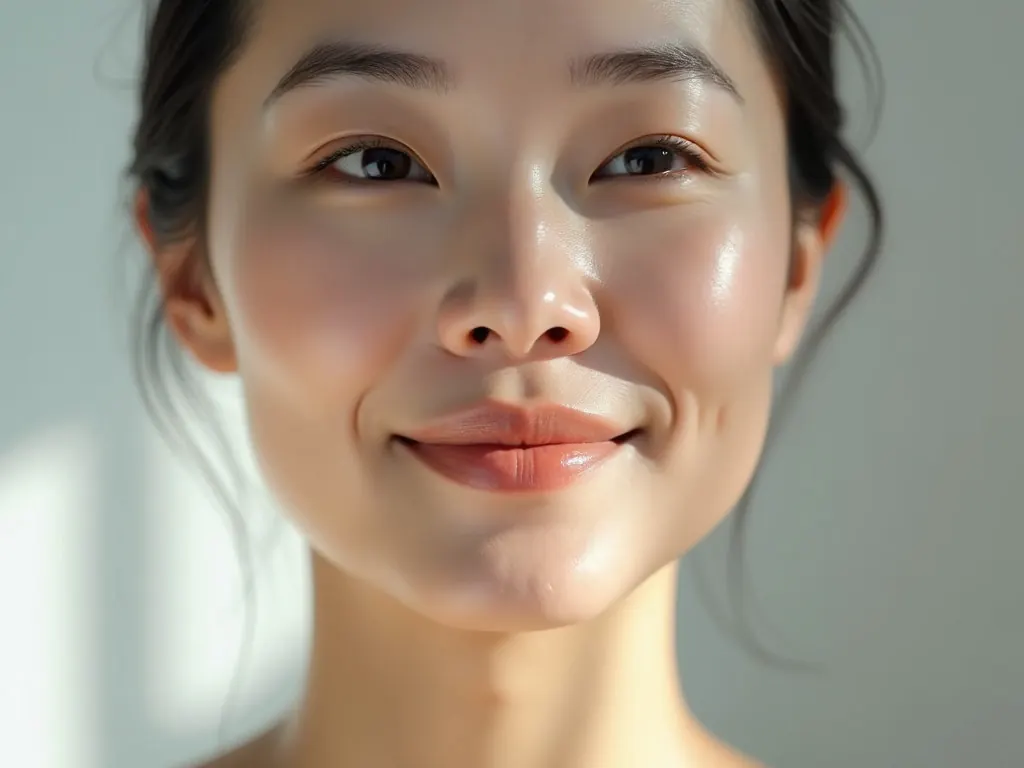
Most people know botulinum toxin as a wrinkle treatment, but more studies now use it for oily skin, enlarged pores and acne. Dr. Bank has researched this directly (Efficacy and safety of Botulinum toxin in treatment of Acne Vulgaris, 2024). This article explains what it can and can't do.
How Program Botox can help acne
The oil glands in the skin are partly controlled by nerve signals. Small amounts of botulinum toxin injected into the superficial skin can temporarily reduce oil production. The result:
- Less oily skin and less shine during the day
- Pores look smaller
- For some people, fewer new blackheads and inflamed spots, because oil is one of the factors behind acne
Program Micro-Botox vs wrinkle Botox
| Wrinkle Botox | Micro-Botox (skin Botox) | |
|---|---|---|
| Depth | Into the muscle | Superficial, in the skin |
| Technique | A few points along the muscle | Many tiny points across the area, more diluted |
| Result | Less muscle movement | Less oil, smaller-looking pores, smoother skin |
| Expression | Less movement where injected | Normal expression when placed at the right depth |
Who suits it
- Very oily skin and enlarged pores, especially on the forehead, nose and cheeks
- Oil-related acne that is already partly controlled with standard treatment
- Anyone wanting less shine before an important event
Limits to know
- Not the main treatment: severe inflamed or cystic acne still needs standard medication; Botox is an add-on
- Not permanent: oiliness drops for about 3–4 months, then slowly returns
- Doesn't fix scars: acne scars need lasers or microneedle RF. See Fraxel vs Microneedle RF vs Fractional CO2
- Depth matters: injecting too deep in some areas can make expressions look unnatural
Results and aftercare
- Oiliness starts to drop in 1–2 weeks
- Small bumps at the injection points for 30–60 minutes, then they settle
- Stay upright for about 4 hours; no facial massage, sauna or hard exercise on the day
- Combine with home care, such as oil-control products your doctor recommends, for better results
Frequently asked questions
Does Botox really treat acne?
Studies have found that superficial botulinum toxin can reduce oiliness and oil-related acne, but it is an add-on, not a replacement for standard acne treatment.
Does micro-Botox make the face stiff?
When injected superficially and diluted at the right depth, most people keep normal expressions.
How often should I have it?
Usually every 3–4 months as oiliness returns, without going too often, to lower the risk of resistance. See Botox resistance.
See prices on the Botox page and Botox packages.
Results vary from person to person. This article is general information, not medical advice. Please see a doctor for an assessment before any treatment.