
Program Morpheus8 vs Doublo 2.0: what's the difference?
Written by Dr. Klaer · Comparison guide · 7 min read
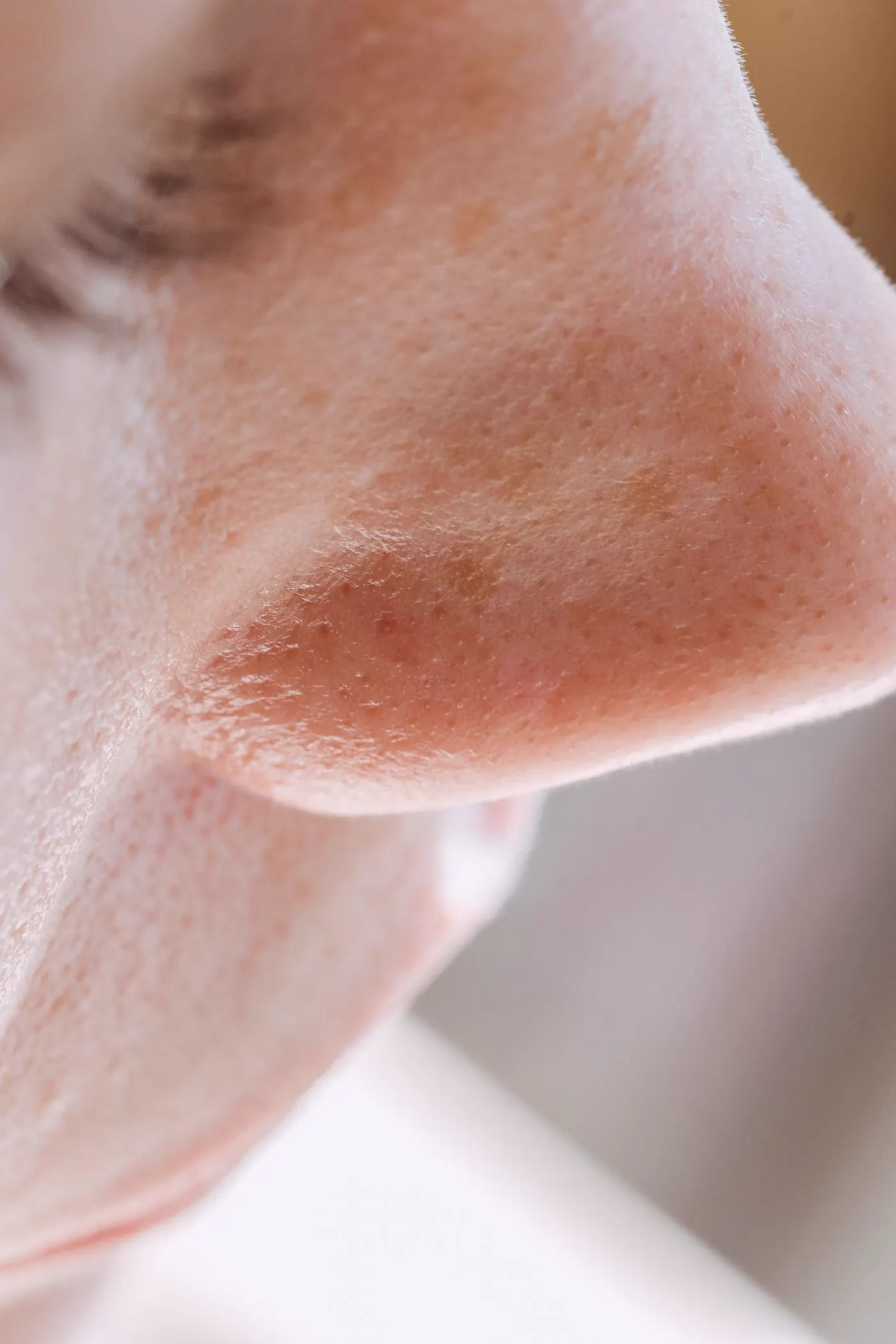
Microneedle RF uses very fine needles to carry radiofrequency energy below the skin surface, so the top layer takes less damage than with ablative lasers. The two devices people ask about most are Program Morpheus8 and Doublo 2.0. Both work the same way, but they differ in details that affect how they are used.
What both devices share
Fine needles enter the skin to a set depth, then release RF energy at the needle tips. The skin benefits twice over: the tiny needle channels trigger repair, and heat in the dermis stimulates new collagen. Because the heat is generated below the surface, the upper skin is less affected, which is why this approach is often suitable for Asian skin, where post-inflammatory pigmentation is a concern.
Program Morpheus8
- Made by InMode
- Needle depth: the manufacturer's guides list 1, 2, 3 and 4 mm for the standard and Prime tips, 2–7 mm for the Body tip, and a fixed 0.5 mm for the T resurfacing tip
- Needles: insulated (polymer-coated), around 250 microns in diameter, with 24, 12 or 40 pins depending on the tip
- RF delivery: bipolar, with a return electrode grid surrounding each needle
- Settings: the manufacturer's guides set treatment by depth and an RF energy level from 5 to 60 (limited to 5–30 for the T tip and at 1 mm depth)
- Notable: the Body tip reaches up to 7 mm, so it is also used on the body
- At Craft Clinic: not offered
Depth, pin count and energy range are taken from InMode's own quick reference guides, which may differ by model and country.
Program Doublo 2.0
- Made by Hironic, South Korea
- Needle depth: 0.1–3.5 mm
- RF frequency: three selectable settings, 0.5, 1 and 2 MHz
- RF delivery: bipolar through the needles, with Pulsed Wave and Continuous Wave modes
- Notable: several selectable frequencies, and it goes as shallow as 0.1 mm for thin skin
- At Craft Clinic: available, 9,990 THB per session
Side by side
| Morpheus8 | Doublo 2.0 | |
|---|---|---|
| Manufacturer | InMode | Hironic (Korea) |
| Needle depth | 1–4 mm (Body tip 2–7 mm, T tip 0.5 mm) | 0.1–3.5 mm |
| Selectable RF frequency | Guides set treatment by depth and energy level | 0.5 / 1 / 2 MHz |
| Needles | Insulated, 250 microns, 12–40 pins by tip | Bipolar through needles |
| Energy modes | Energy level 5–60 | Pulsed Wave and Continuous Wave |
| Body use | Dedicated body tip | Focused on face and neck |
| At Craft Clinic | Not offered | Yes, 9,990 THB |
What depth and frequency actually change
- Needle depth decides which layer the heat is delivered to. Deeper suits deeper acne scars and tightening; shallower suits pores and skin texture.
- RF frequency affects how the heat spreads. Lower frequencies generally spread deeper and wider, higher frequencies more concentrated and shallow, so a device with selectable frequencies can be tuned more closely to each person's skin.
- Insulated needles keep the energy at the needle tip, reducing heat in the upper skin and along the needle track.
For comparisons with other devices, see Doublo 2.0 vs Sylfirm X vs Potenza, and if you are weighing this against lasers, see Fraxel vs Microneedle RF vs Fractional CO2.
How to choose
The device name matters less than matching the settings to your concern and skin layers. Both can be set to work in a similar range. What matters more:
- Whether the doctor assesses your skin and fat layers before setting the device. See Scan & Sculpt
- Your main concern: acne scars, pores, texture or laxity
- Whether your skin pigments easily after inflammation
- How many days of downtime you have, and how many sessions you plan
Downtime and sessions
- Redness and small dots along the needle marks for about 1–3 days
- No make-up on day one, and strict sun protection afterwards
- Usually around 3 sessions, 4–6 weeks apart, then review with the doctor
- If you have had filler recently, tell your doctor. An animal study reported that microneedle RF can damage filler along the needle tracks, so the doctor may space the treatments or adjust the depth
Frequently asked questions
Which device is better?
Both work on the same principle and can be set to cover similar ground. What affects the result more is the assessment of your skin and the settings the doctor chooses.
Does it hurt?
Numbing cream is applied for about 30–45 minutes beforehand. Most people feel heat and a pulsing sting that is tolerable. How much you feel depends on the depth and energy used.
Will it make my face look hollow?
Microneedle RF works mainly in the dermis and is not intended to reduce fat. However, depth and energy settings that don't suit someone with little facial fat could make the face look more hollow, which is why the doctor should assess the fat layer first.
Can it be combined with threads or lifting devices?
Yes, and they often complement each other: microneedle RF addresses skin quality while threads and lifting devices address sagging. The doctor plans the order and spacing. See thread lift and RF.
Results vary from person to person. This article is general information, not medical advice. Doublo, Sylfirm X and Potenza are trademarks of their respective owners.