
Do thread lifts cause fibrosis?
Written by Dr. Bank · 5 min read
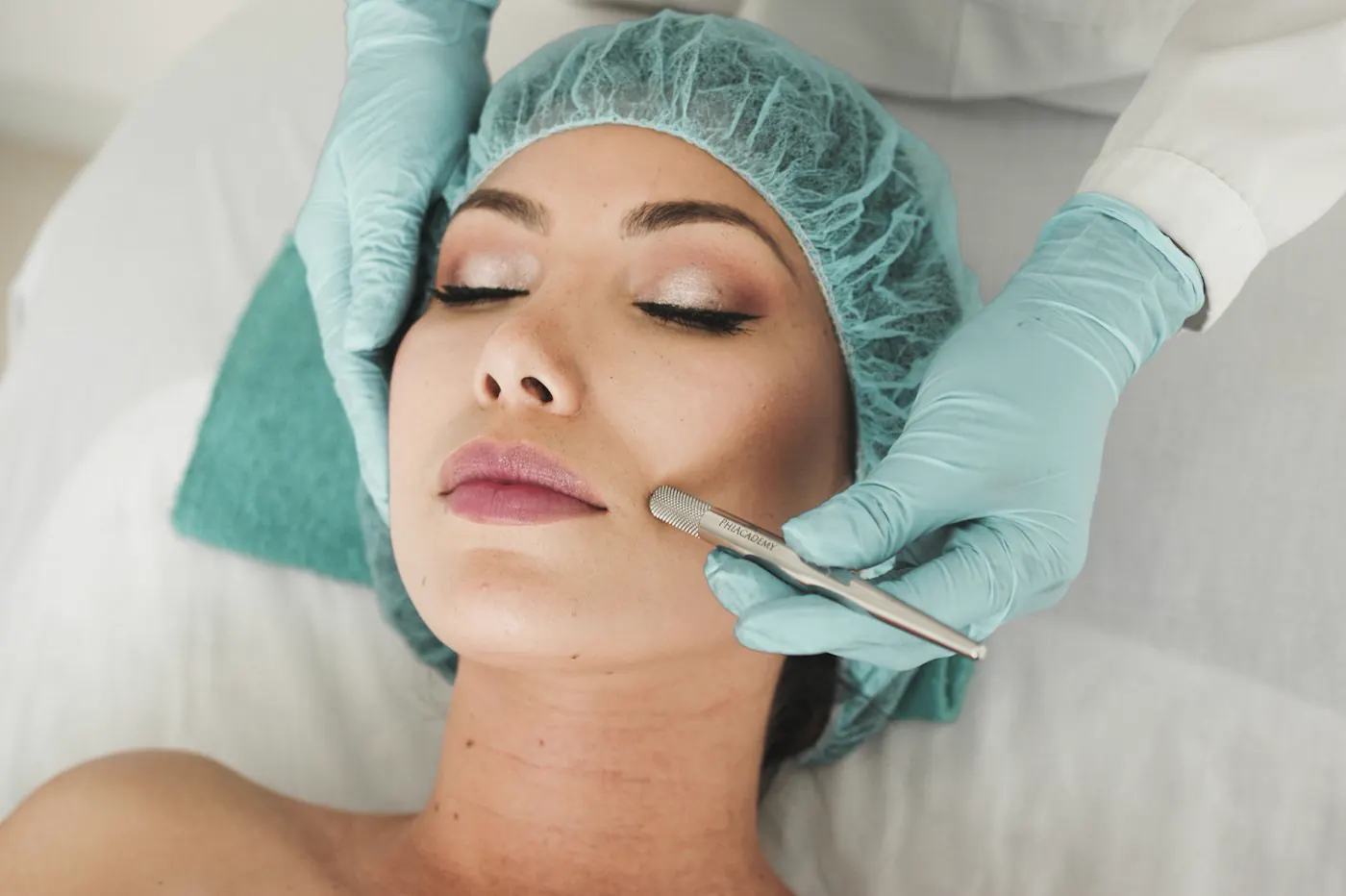
"Will a thread lift leave fibrosis?" is one of the biggest worries people have. The short answer: the body always builds tissue around a thread, and that is part of what firms the face. But if it forms too much or in the wrong place, it can become a problem. Here is the difference, and how to lower the risk.
Tissue around the thread: the normal response
When a thread is placed under the skin, the body responds by building collagen and supporting tissue around it. This holds the skin in its lifted position and keeps the result after the thread dissolves. It is the mechanism we want, not a side effect.
When fibrosis becomes a problem
Problems arise when fibrous tissue forms too much or attaches in the wrong place. It can cause:
- A firm band or lump you can feel under the skin
- Dimpling, pulling, or uneven skin when you smile
- Tightness that lasts unusually long
- A harder operation if you ever have a surgical facelift, because of tissue adhesion
What increases the risk
- Repeating threads in the same area too often, before the tissue has fully recovered
- More threads than needed, or threads packed densely in one area
- Threads in the wrong layer: too shallow or too deep
- Inflammation or infection after the procedure
- Threads that stay in the skin a long time: non-dissolving or very slow-dissolving threads keep the body responding for longer
How Craft Clinic lowers the risk
- Ultrasound scan every time: skin and fat thickness to choose the right layer. See Ultrasound-planned thread lift
- Mainly PDO threads: strong early collagen stimulation, and they dissolve within months so they don't stay too long. See Thread lift materials
- Only as many threads as needed, with enough time before repeating, as the doctor assesses
- Devices between rounds: lifting devices maintain firmness instead of frequent threads. See Do you still need lifting devices after a thread lift?
- Performed by a doctor in a clean procedure room, with a follow-up visit
Signs to come back to the doctor
- Swelling, redness, heat or pain that gets worse after several days
- A lump or firm band that doesn't settle
- Dimpling or pulling that hasn't improved after 2–3 weeks
Mild dimpling or tightness early on is common and usually settles by itself, but if you're unsure, have the doctor check.
Frequently asked questions
Can I have a surgical facelift later?
Yes, but tell your surgeon you've had thread lifts, as tissue adhesion can make surgery harder, especially after frequent thread lifts.
How often is it safe to repeat a thread lift?
The doctor assesses how much of the result remains and your skin. Avoid repeating threads in the same area too often.
Prices: MINT thread lift · Croquis thread lift · Thread lift near BTS Phaya Thai
Results vary from person to person. This article is general information, not medical advice. Please see a doctor for an assessment before any treatment.